The oceans meet our needs: now it's our turn
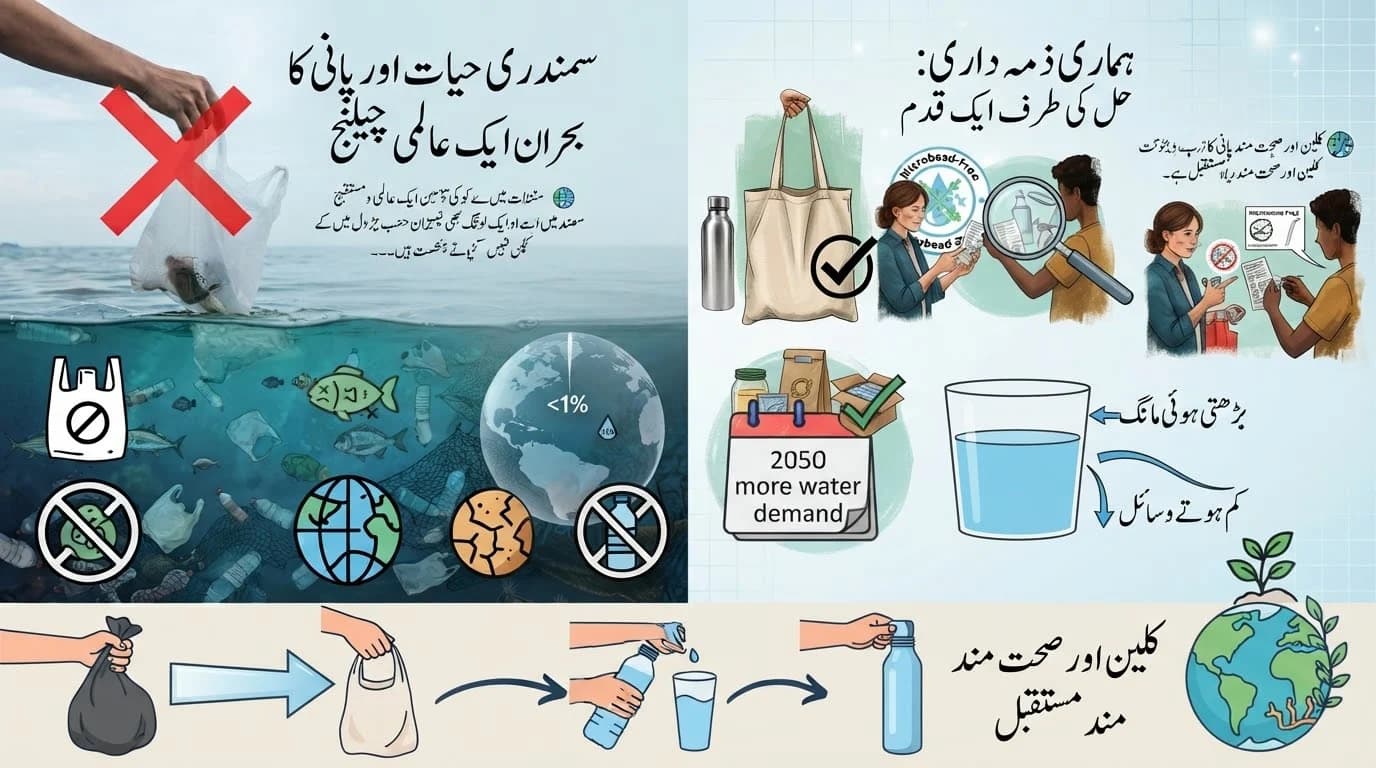
According to common knowledge, about 71% of the earth is covered by water, while only 2.5 to 3% of this water is pure and drinkable. It shows how much we care about water. Remember, just because water is a natural resource, doesn't mean it's unlimited.
Water is becoming increasingly polluted; Not only does it affect the water and those who drink it, but there is also a wonderful world beneath the water. We careless people do not think about fish, corals and other creatures living in the sea!
Just think for a moment; Imagine you throw a plastic bag into the water. For you, it's just a process of getting rid of the bag, but for the fish that accidentally eat it, it can be fatal. Now imagine that you are a fisherman and you catch a fish. You feed your family and together they eat fish. After getting sick, you realize it was the same fish that ate the plastic bag you threw away.
did you see How your carelessness can harm marine life and become part of a cycle that ultimately harms you too.
It should be noted that according to a study published in the journal 'The Lancet', 18 lakh (1.8 million) deaths occurred due to water pollution in 2015. Contaminated water can also make you sick. Every year, unsafe water makes nearly a billion people sick. And lower-income groups are disproportionately at risk because their homes are often located near the most polluting industries.
Scientists believe that our sources of drinking water are limited: less than 1 percent of the fresh water on Earth is actually available for our use. If no action is taken, these challenges will increase by 2050, as by then global demand for freshwater is expected to be one-third higher than current demand.
Despite these constraints, a question arises:
"Can we take steps to save water or should we just give up?"
And the answer is that there are certainly many ways to save water and marine life, and the good news is that they aren't expensive either! Bring reusable cloth bags, stainless steel water bottles and metal straws instead of disposable plastic. Avoid microplastics: Check the labels on facial scrubs and toothpaste to make sure they don't contain microbeads of plastic that wash into waterways. Skip plastic packaging: Choose loose products and items packaged in glass, paper or cardboard.
Together, we can make a change! Not quickly but slowly and one step at a time! Let humanity take care of water as water takes care of us!
Maryam Faisal